
Decentralized Data Management
Manage sensitive data with stronger integrity, traceability, and independent verification through decentralized blockchain anchoring and secure off-chain storage.
Modern data management for high-trust environments
Organizations handling sensitive legal, compliance, financial, and operational data need more than storage alone. They need systems that help preserve integrity, support accountability, and make important data easier to verify over time.
Lexkeep’s decentralized data management capabilities help teams manage critical data with a stronger foundation for authenticity, auditability, and trust. By combining secure cloud infrastructure with cryptographic hashing, blockchain anchoring, tamper-evident audit trails, version history, and retention controls, Lexkeep supports data management workflows designed for scrutiny.
The result is a more defensible way to manage high-value information without exposing confidential content on-chain.
What is decentralized data management?
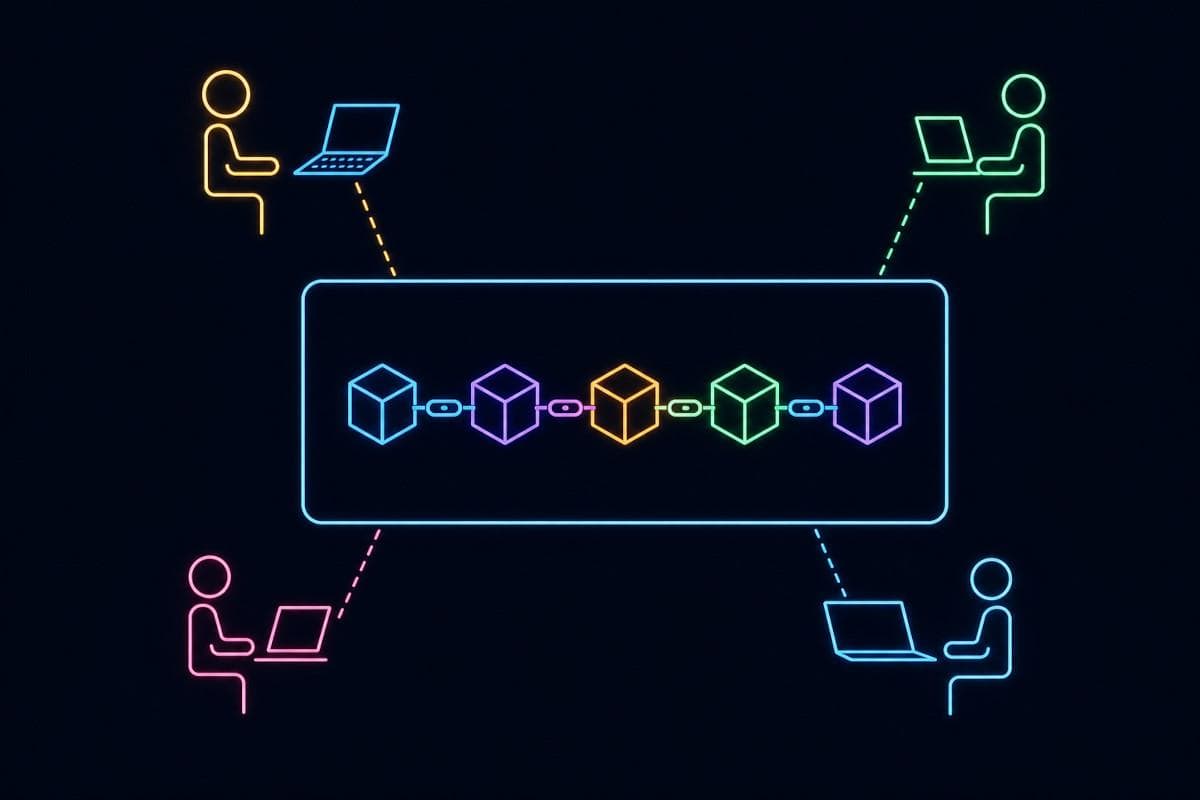
Decentralized data management is an approach to preserving and verifying data using decentralized infrastructure as part of the trust model.
In Lexkeep, the underlying files and records remain securely stored off-chain, while cryptographic proofs, such as hashes and timestamps, can be anchored to a public blockchain. This helps create an independent layer of verification that supports proof of existence, proof of integrity, and defensible record history.
This approach can help organizations:
- strengthen confidence in data integrity
- support independently verifiable timestamps
- reduce reliance on internal logs alone
- improve traceability across the data lifecycle
- maintain tamper-evident histories of activity and change
- support audit, investigation, and compliance workflows
Why decentralization matters in data management
In many environments, trust in data depends entirely on internal systems, internal administrators, or a single storage provider. That may be acceptable for routine workflows, but it can become a weakness when data is reviewed during an audit, dispute, investigation, or regulatory process.
Decentralized data management introduces an external layer of proof.
Instead of relying only on platform-level records, organizations can point to cryptographic evidence and decentralized timestamps that help show:
- when data existed
- whether it has changed
- how it has been handled over time
- whether its integrity can be verified independently
For teams managing high-stakes information, that additional layer can improve confidence, transparency, and defensibility.
How Lexkeep supports decentralized data management
Lexkeep brings together secure storage, integrity protection, and audit-ready controls in one platform.
Secure off-chain storage
Sensitive files and records are stored securely off-chain, helping protect confidentiality while preserving access control and operational flexibility.
Cryptographic hashing
Each file or record can be converted into a unique digital fingerprint. Any change to the underlying data results in a different hash, making alteration detectable.
Public blockchain anchoring
Hashes can be anchored on a public blockchain to support decentralized proof of timing, existence, and integrity without placing the actual data on-chain.
Tamper-evident audit trails
System activity can be logged in a way that helps preserve a reliable history of uploads, access, edits, sharing, and other material actions.
Version history
Maintain clearer visibility into how data changes over time, with distinct version tracking to support review and governance.
Retention and preservation controls
Support preservation, retention, and controlled disposition policies for data that must remain available and defensible over time.
Integrity-focused architecture
Lexkeep’s integrity model can include hash-linked audit protection and related mechanisms designed to strengthen confidence in data history.
Key benefits
Stronger trust in sensitive data
Help demonstrate that important data has remained intact and verifiable.
Better audit readiness
Support internal reviews, external audits, and regulatory examinations with clearer evidence of timing, access, and integrity.
More defensible data history
Maintain records of activity and change that are easier to assess and harder to challenge.
Independent verification
Add a decentralized trust layer that does not depend solely on internal systems or a single provider.
Confidentiality without on-chain exposure
Keep sensitive content off-chain while still benefiting from blockchain-backed verification.
Support for high-scrutiny workflows
Use decentralized verification for legal, compliance, financial, investigative, and records-sensitive processes.
Built for teams managing critical information
Lexkeep’s decentralized data management capabilities are relevant across functions where trust, integrity, and accountability matter.
Legal and disputes
Support preservation, chronology, and integrity for records that may be reviewed in contentious matters.
Compliance and risk
Maintain stronger evidence of data handling, retention, and control activity.
Financial services
Protect the integrity of sensitive records and support audit and oversight workflows.
Investigations
Preserve high-value materials with stronger traceability and tamper-evident history.
Corporate governance
Improve confidence in the management of board, policy, contract, and operational records.
Why Lexkeep
Lexkeep is built for organizations that need more than storage. It is designed for environments where data may later need to be verified, defended, or scrutinized.
With Lexkeep, teams can:
- securely store high-value data off-chain
- anchor cryptographic proofs to public blockchain infrastructure
- maintain tamper-evident audit records
- support preservation and retention workflows
- improve confidence in the integrity of critical data assets
Manage data with stronger integrity and trust
Decentralized data management gives organizations a more credible way to preserve, verify, and govern critical information.